
Essential Garage Door Maintenance Tips
Updated: Mar 23
Maintaining your garage door is crucial for ensuring its longevity and functionality. A well-maintained garage door not only enhances the curb appeal of your home but also provides security and convenience. Neglecting regular maintenance can lead to costly repairs and safety hazards. In this blog post, we will explore essential garage door maintenance tips that every homeowner should know.
Understanding Your Garage Door
Before diving into maintenance tips, it's important to understand the components of your garage door. A typical garage door system consists of:
Door Panels: The main structure of the door, which can be made of wood, steel, or fiberglass.
Tracks: Metal rails that guide the door as it opens and closes.
Rollers: Small wheels that help the door move smoothly along the tracks.
Springs: Tension springs that assist in lifting the door.
Opener: The motorized device that operates the door.
Familiarizing yourself with these components will help you identify potential issues and perform maintenance more effectively.
Regular Inspections
One of the most effective ways to maintain your garage door is through regular inspections. Here’s what to look for:
Visual Inspection: Check for any visible signs of wear and tear, such as rust, dents, or cracks in the door panels.
Track Alignment: Ensure that the tracks are aligned properly and free of debris. Misalignment can cause the door to malfunction.
Spring Condition: Inspect the springs for any signs of damage or wear. If you notice any issues, it’s best to call a professional for repairs.
Roller Functionality: Test the rollers by opening and closing the door. If they are noisy or do not move smoothly, they may need lubrication or replacement.
Lubrication
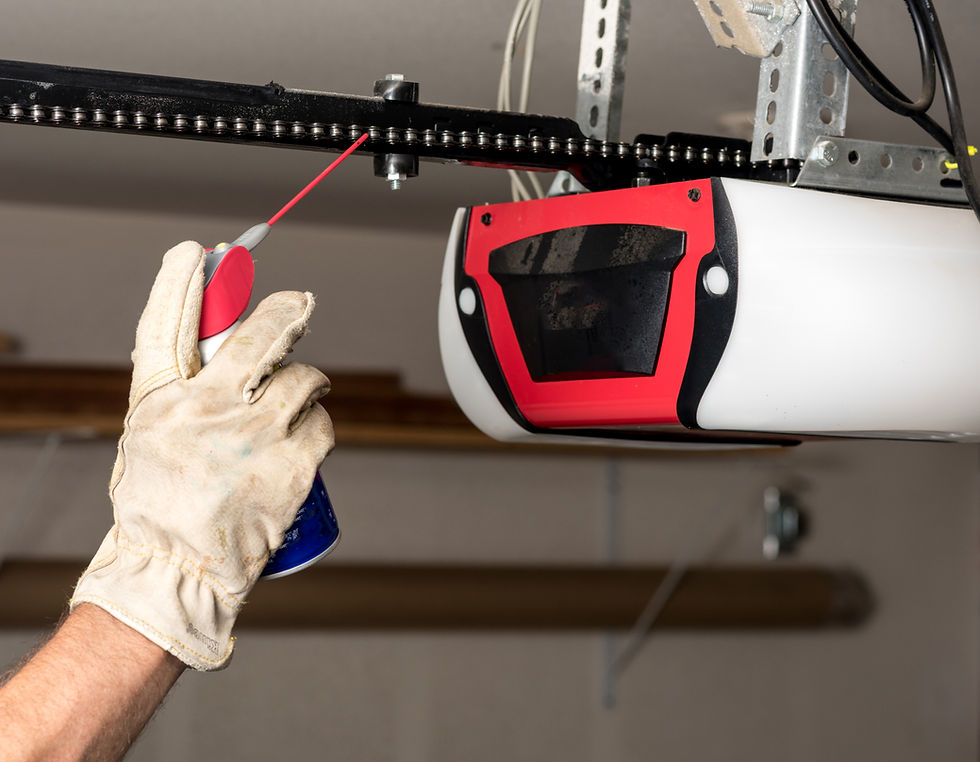
Lubrication is key to keeping your garage door functioning smoothly. Here’s how to do it:
Choose the Right Lubricant: Use a silicone-based lubricant or a garage door lubricant specifically designed for this purpose. Avoid using WD-40, as it can attract dirt and grime.
Apply to Moving Parts: Focus on the rollers, hinges, and tracks. Apply a small amount of lubricant to each part and wipe away any excess.
Frequency: Lubricate your garage door every six months to ensure optimal performance.
Cleaning
Keeping your garage door clean is essential for both aesthetics and functionality. Here’s how to clean it effectively:
Wash the Door: Use a mild detergent mixed with water to wash the door. A soft cloth or sponge works best. Rinse thoroughly to remove any soap residue.
Clean the Tracks: Remove any debris or dirt from the tracks using a damp cloth. This will help prevent the door from getting stuck.
Inspect Weather Stripping: Check the weather stripping at the bottom of the door. If it’s cracked or worn, replace it to prevent drafts and moisture from entering your garage.
Testing the Safety Features
Modern garage doors come equipped with safety features that prevent accidents. Regularly testing these features is crucial:
Auto-Reverse Function: Test the auto-reverse feature by placing a small object in the door’s path. The door should reverse immediately upon contact. If it doesn’t, there may be an issue with the sensors.
Emergency Release: Familiarize yourself with the emergency release mechanism. This allows you to manually open the door in case of a power outage or malfunction.
Adjusting the Door Balance
A properly balanced garage door is essential for smooth operation. Here’s how to check and adjust the balance:
Disconnect the Opener: Pull the emergency release cord to disconnect the door from the opener.
Manually Open the Door: Lift the door halfway and let go. If it stays in place, it’s balanced. If it moves up or down, it may need adjustment.
Adjust the Springs: If the door is unbalanced, you may need to adjust the tension on the springs. This can be dangerous, so it’s advisable to hire a professional if you’re not experienced.
Professional Maintenance
While many maintenance tasks can be done by homeowners, some require professional expertise. Consider scheduling a professional maintenance check at least once a year. A technician can:
Inspect all components for wear and tear.
Perform necessary repairs or replacements.
Ensure that all safety features are functioning properly.
Common Garage Door Problems
Being aware of common garage door problems can help you address issues before they escalate. Here are a few to watch out for:
Noisy Operation: If your garage door is making excessive noise, it may be due to lack of lubrication or worn-out rollers.
Slow Response Time: If the door takes longer than usual to open or close, it could indicate a problem with the opener or the springs.
Door Won’t Open or Close: This could be due to a malfunctioning opener, misaligned tracks, or issues with the safety sensors.
DIY Repairs
Some minor repairs can be handled by homeowners. Here are a few common DIY fixes:
Replacing Rollers: If your rollers are worn out, you can replace them easily. Remove the old rollers and install new ones by following the manufacturer’s instructions.
Tightening Hardware: Regularly check and tighten any loose screws or bolts on the door and tracks.
Replacing Weather Stripping: If the weather stripping is damaged, remove the old strip and install a new one to maintain insulation.
Conclusion
Regular garage door maintenance is essential for ensuring safety, functionality, and longevity. By following these essential tips, you can keep your garage door in top shape and avoid costly repairs. Remember to perform regular inspections, lubricate moving parts, and clean the door to maintain its appearance and functionality. If you encounter any major issues, don’t hesitate to call a professional for assistance.
Taking these steps will not only enhance the performance of your garage door but also give you peace of mind knowing that your home is secure. Start implementing these maintenance tips today and enjoy a smoothly operating garage door for years to come!
Comments